Quiet Lineage: Louise Hay
Language, the Body, and Learning to Stay
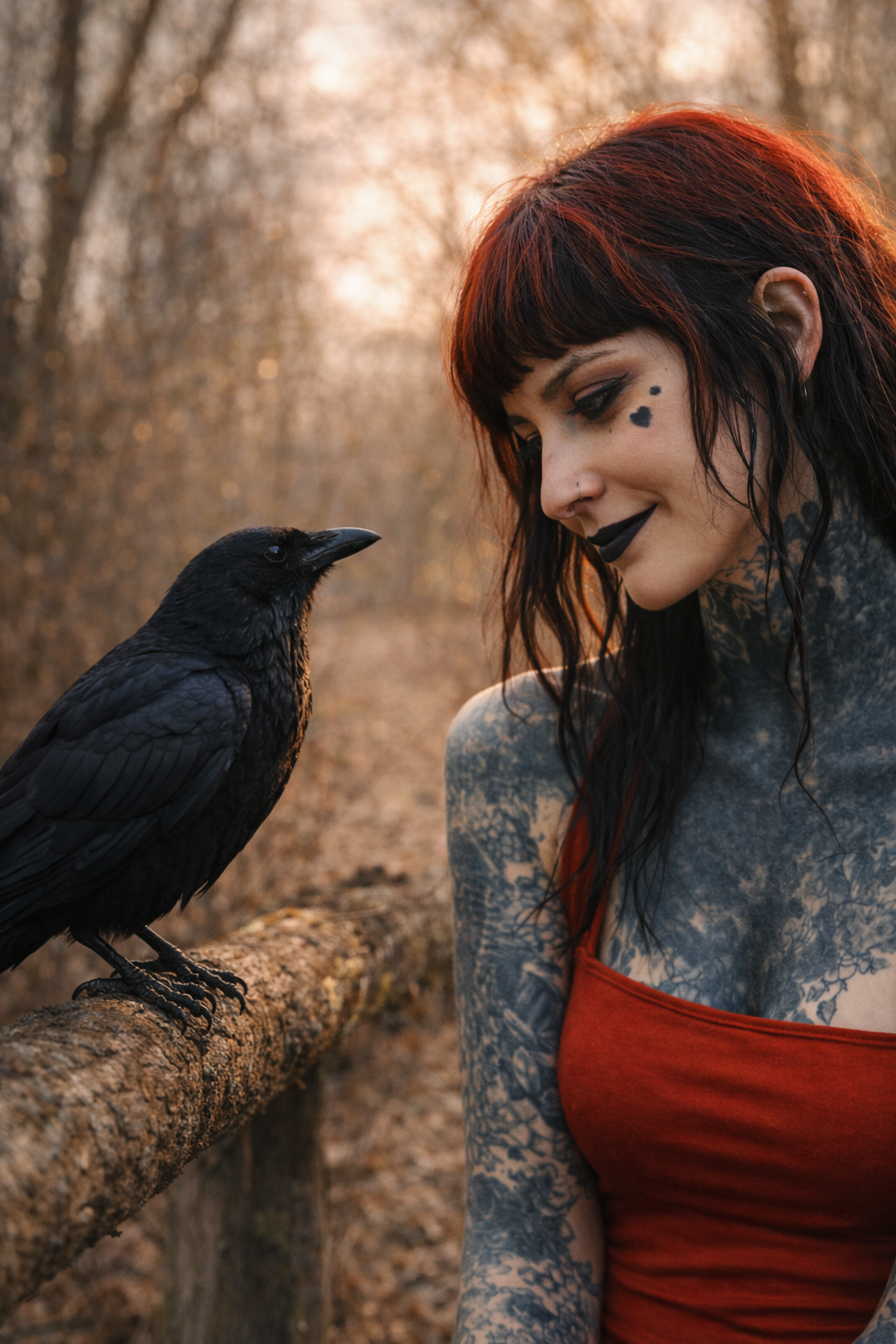
A Note Before You Read Further
I want to begin gently.
This album carries the influence of Louise Hay in a very real, very lived way. Her work helped me survive a body that felt broken for a long time. It helped me learn how to speak to myself without adding more harm.
I’m a parent. I live with trauma history. I spent years chronically ill, exhausted, in pain, and disconnected from my own reflection. Louise’s work gave me a starting place — not a cure, not a promise — but a way back into relationship with my body.
Nothing here asks belief.
Everything here begins with listening.
Read on only if curiosity pulls you.
How Louise Entered My Life
When I first found You Can Heal Your Life, I was sick all the time.
PTSD. Insomnia. Fibromyalgia. Migraines. A body that felt loud, unpredictable, and hostile. I was 100% disabled from the Air Force and deeply miserable. I didn’t trust my body, and I definitely didn’t like myself.
Louise Hay came into my life during that season.
At first, I didn’t fully buy it. She felt like a loving grandma, but she was also blunt in ways that took time to digest. She talked about anger, resentment, fear, and self-approval like they mattered — like they actually lived somewhere physical.
That idea cracked something open.
Learning That the Body Speaks
One of the most mind-blowing things Louise offered was a map.
She connected physical sensations to emotional patterns — not as blame, but as information. Neck pain. Nausea. Fatigue. Migraines. She translated what the body might be trying to say underneath the noise.
That changed how I listened.
For the first time, my symptoms felt like messages instead of failures. My body wasn’t betraying me. It was communicating.
That shift alone softened years of self-hatred.
Permission to Be Angry
Louise gave me permission to feel anger without turning it inward.
That mattered more than I can explain.
I had learned to swallow anger, to collapse instead of confront, to punish myself for reacting. Louise reframed anger as energy — something that could move, speak, and release rather than rot.
You’ll hear that permission throughout BYRDS.
Some songs speak gently.
Some speak firmly.
Some repeat phrases until the body believes it’s safe.
That’s Louise living inside the music.
Mirror Work, Slowly
Mirror work did not come easily.
For years, I couldn’t look at myself without crying, breaking down, or getting furious. Saying affirmations out loud felt impossible. My body resisted kindness. My throat closed. Shame rose fast.
The mirror still held me.
I learned that I didn’t have to show up smiling. I could cry. I could rage. I could sit silently. The mirror didn’t demand pretty words. It waited.
Over time — years — something shifted.
Now I can say kind things to myself. Not perfectly. Not constantly. But honestly.
That practice changed how I inhabit my body. It changed how I write. It changed how I sing.
Louise Lives in the Songs
BYRDS carries Louise everywhere.
In repetition.
In affirmation.
In phrases that speak to the body instead of about it.
Songs like “I’m Willing” and “Molt” are not metaphors to me. They are practices. They’re the same sentences I learned to whisper to myself when my nervous system needed reassurance.
“I’m willing.”
“I’m molting.”
“I’m safe to change.”
That language didn’t come from theory. It came from survival.
Kindness as Structure
Louise’s work often gets dismissed as soft.
I experience it as structural.
It takes strength to stay present with pain.
It takes discipline to speak kindly when shame flares.
It takes courage to approve of yourself when your body has felt like a battleground.
This album carries that discipline quietly.
Gentleness here is not collapse.
It’s what made movement possible again.
How I Work With Her Teachings
Louise Hay is not my authority.
She is a companion voice that helped me rebuild trust with myself. I try phrases on. I notice what tightens. I keep what softens. I leave the rest.
Some days that looks like mirror work.
Some days it looks like music.
Some days it looks like letting anger speak instead of swallowing it.
I stay human. I stay curious.
Why This Belongs in BYRDS
BYRDS is a body album.
It tracks how attention, appetite, listening, release, and hope move through flesh rather than theory. Louise helped me learn that the body listens — especially to the words we repeat when things hurt.
Her influence made it possible for this album to exist without forcing itself.
About This Being A Series
This blog reflection forms one part of a three-part series naming my primary influences:
Each will receive its own space, its own care, its own unpacking. BYRDS felt like the honest place to begin because the source material already lives here.
A Closing Word
I’m still learning how to like the person in the mirror.
I’m still practicing kinder language.
I’m still molting.
If something here resonates, let it rest with you.
If it doesn’t, let it pass.
Take what feeds you.
Leave the rest for the birds.
🪶
May your body hear one honest sentence today.
May the mirror stay with you.
May you feel allowed to remain.
